
The Poetic Testament
Doctor ZhivagoThis flow traces how Zhivago’s poems gather major images of fate, seasons, love, and religious history into a final testament.
increasing Bearing strength in each event
 decreasing
Bearing strength in each eventdecreasingThe Actor’s Solitude
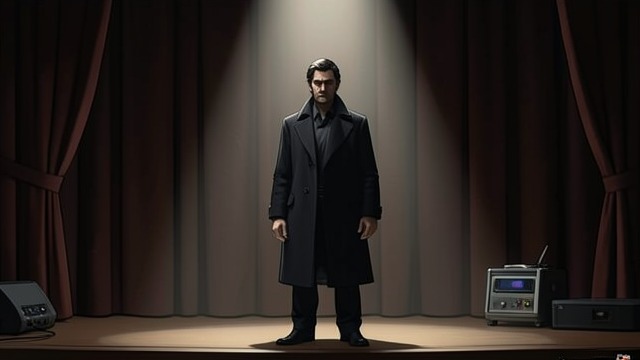
The Actor’s Solitude
A life as a role
“Hamlet” presents a speaker who enters the stage aware of forces beyond his control.
The poem joins personal consent with the fear of a predetermined ending.
Its theatrical image echoes Zhivago’s own uneasy relation to history.
Spring in the Ravine
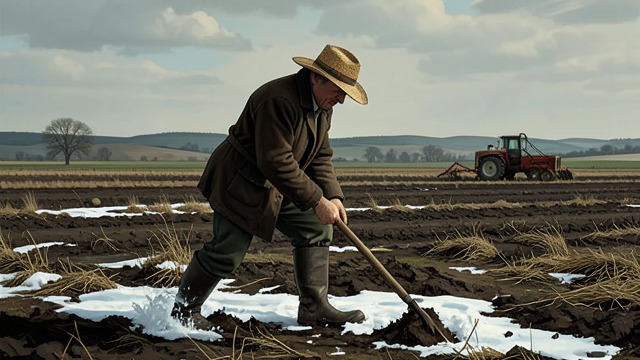
Spring in the Ravine
Renewal in ordinary things
“March” finds vitality in melting snow, farm work, and the smell of manure.
The poem treats renewal as embodied and unsentimental.
Life returns through labor and matter rather than grand declarations.
The Nature of Separation
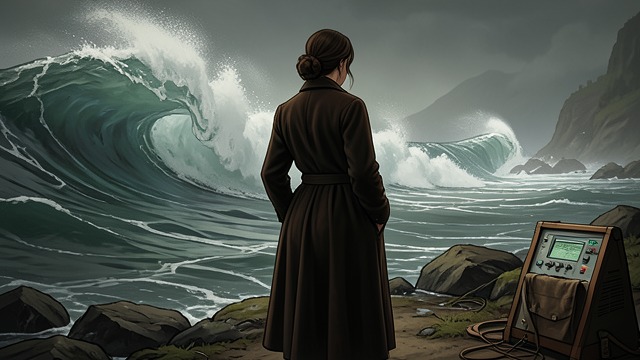
The Nature of Separation
Love remembered as force
“Parting” casts Lara’s departure as a wave that carries her into Zhivago’s inner life.
The poem transforms grief into a natural image of arrival and loss.
Memory preserves movement where reunion is impossible.
A Birth in Winter
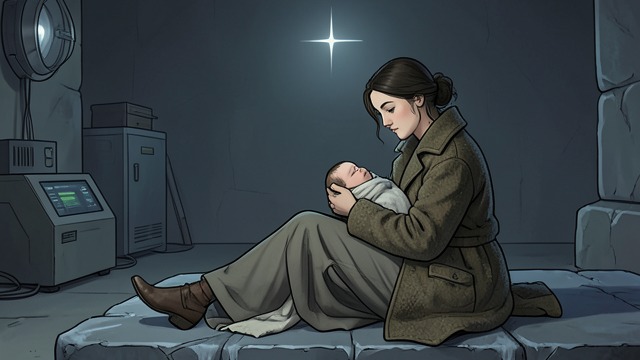
A Birth in Winter
Sacred life in a humble place
“Star of the Nativity” locates a cosmic event in a cold stable and ordinary landscape.
The poem connects a child’s birth to future art, memory, and spiritual possibility.
Small human life carries universal meaning.
The Final Testament
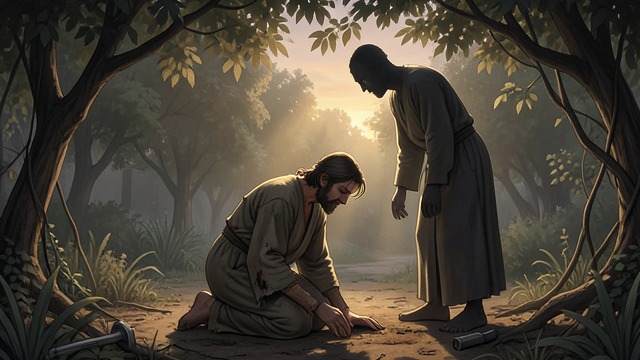
The Final Testament
Suffering made voluntary
“Garden of Gethsemane” presents Jesus accepting mortal suffering rather than using power to escape it.
The poem brings sacrifice, freedom, and resurrection into one image.
It completes the collection’s meditation on death without erasing grief.
in the collected poems
during the spring thaw
after Lara’s departure
in the nativity poem
at the end of the collected poems
